Logo Digitizing Prices for Embroidery: Tips for Choosing a Service
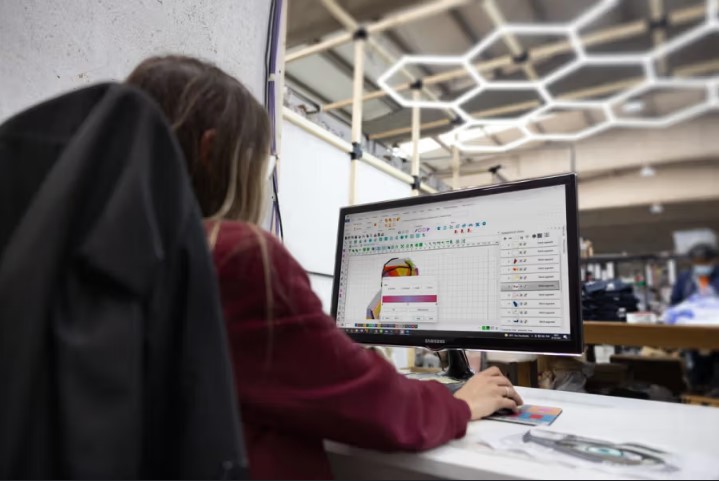
A logo may look simple on a screen, but turning it into stitches is a skilled task. A digitizer must decide how each part of the logo should be sewn. The size, fabric, colors, letters, and level of detail all affect the final result. Good digitizing helps the logo look clean and keeps the embroidery machine running well.
When looking at Logo Digitizing Prices for Embroidery, it is easy to focus only on the lowest cost. But price is just one part of the choice. A very cheap file may not give good stitch results. A good service should offer fair pricing, skilled work, clear communication, and files that are ready for your machine and fabric.
What Is Logo Digitizing?
Logo digitizing is the process of turning artwork into embroidery stitch data.
A JPG, PNG, PDF, or other image shows the logo as artwork. An embroidery file tells the machine how to sew it.
The digitizer decides:
- Stitch type
- Stitch direction
- Stitch density
- Underlay
- Stitch order
- Pull compensation
- Thread changes
- Trims and jumps
These choices can affect how the finished logo looks and feels.
Why Do Logo Digitizing Prices Vary?
There is no single price for every logo. Each design is different.
A simple logo with two colors may take much less work than a detailed design with small text and many color changes.
Several factors can affect the cost.
Design Detail
Simple designs are often easier to prepare.
A logo with:
- Large shapes
- Bold lines
- Few colors
- Little text
may need less work.
A detailed logo may require more time because each part needs careful stitch planning.
Logo Size
The size of the final embroidery also matters.
A small chest logo may need fewer stitches than a large back design. A large design may need more stitch work and more careful planning.
However, size alone does not always determine the price. A small logo with tiny letters can be harder to digitize than a large logo with simple shapes.
Stitch Count
Stitch count is another important factor.
More stitches often mean more work. But stitch count should not be the only thing you look at.
Adding too many stitches does not always make an embroidery design better. Too much density can cause:
- Thread breaks
- Puckering
- Hard or heavy embroidery
- Fabric distortion
A skilled digitizer uses enough stitches to create a strong result without adding waste.
Small Text Can Increase the Work
Small lettering is one of the harder parts of embroidery.
Tiny letters can lose their shape when stitched. Some fonts may also become hard to read.
A digitizer may need to:
- Choose a better font
- Adjust letter width
- Increase spacing
- Change stitch type
- Reduce fine details
- Adjust density
This extra work can affect the price.
If your logo contains small text, ask the service how they plan to handle it.
Fabric Also Matters
The same logo may stitch differently on different fabrics.
A design for a firm twill fabric may need different settings from one used on a soft shirt.
Common fabrics include:
- Cotton
- Polo shirts
- Fleece
- Denim
- Jackets
- Caps
- Performance fabric
- Towels
Stretchy fabrics may need extra care. Caps can also be harder because of their curved shape and center seam.
A good digitizer considers the final fabric instead of using the same settings for every job.
What Should Be Included in the Price?
Before ordering, ask what you are getting.
A service may include:
Basic Digitizing
This usually means creating the embroidery file from your artwork.
File Format
Ask which format you will receive.
Common formats include:
- PES
- DST
- JEF
- EXP
- VP3
- HUS
The correct format depends on your machine.
Design Size
Tell the digitizer the size you need. A logo for a cap may need a different setup from a large jacket-back logo.
Revisions
Ask if revisions are included.
Sometimes a design needs small changes after a test stitch. A clear revision policy can prevent confusion.
Color Changes
Some services may charge based on the number of thread colors or color changes. Ask about this before placing the order.
Cheap Does Not Always Mean Better
It can be tempting to choose the lowest price.
But a poor embroidery file can cost more later.
Bad digitizing may cause:
- Thread breaks
- Puckering
- Poor lettering
- Uneven fills
- Too many jumps
- Weak details
- Extra production time
- Wasted garments
You may also need to pay another digitizer to fix the file.
This means the lowest starting price may not be the lowest total cost.
Look at the Service’s Work
One of the best ways to judge a digitizing service is to look at past work.
Ask to see examples that are close to your project.
Look for:
- Clean edges
- Smooth curves
- Clear letters
- Good stitch direction
- Balanced density
- Few unnecessary jumps
- Neat color changes
Do not judge only the computer preview. If possible, look at actual stitched samples.
Ask About Machine Compatibility
A professional service should ask about your embroidery machine.
For example, a Brother machine may need PES. A Janome machine may use JEF. A commercial machine may use DST or another format.
Do not assume that one format works on every machine.
Give the service your:
- Machine brand
- Machine model
- Required file format
- Hoop size
- Final design size
This helps reduce file problems.
Check the Turnaround Time
Price and delivery time often go together.
A standard order may take longer than a rush order.
If you need a logo quickly, ask:
- How long will the order take?
- Is rush service available?
- Is there an extra rush fee?
- When will the final file be delivered?
Clear timing can help you plan production.
Ask About Test Stitching
A test stitch is very useful for important logos.
It shows how the file behaves on real fabric.
A test can reveal:
- Lettering problems
- Density issues
- Pull problems
- Thread breaks
- Gaps
- Puckering
Not every service includes a physical test stitch. If testing is important to you, ask about it before ordering.
What Makes a Good Digitizing Service?
Price is only one part of the decision.
A good service should offer a balance of:
Experience
Experienced digitizers understand how stitches behave on different fabrics and sizes.
Skill
Good digitizing requires more than automatic tracing. The design must be planned for embroidery.
Communication
The service should ask useful questions and explain what is needed.
Quality
The final file should be clean, well planned, and suitable for the requested machine.
Support
It helps when the service can answer questions after delivery.
These factors can make the whole process easier.
Questions to Ask Before Ordering
Before you choose a service, ask a few simple questions.
- What is included in the price?
- Which embroidery format will I receive?
- Do you work with my machine?
- Is the quoted price based on stitch count or design detail?
- Are revisions included?
- Can you handle small lettering?
- Do you digitize for caps?
- Is rush service available?
- Can I see samples of similar work?
- What happens if the file needs changes?
Clear answers can help you compare services fairly.
Compare Value, Not Just Price
Suppose one service charges less but gives you a file with poor stitches. Another service costs a little more but gives you a clean file that stitches well.
The second option may offer better value.
A useful comparison should include:
| Factor | What to Check |
| Price | Is the quote clear? |
| Quality | Are real stitch samples available? |
| Format | Does it support your machine? |
| Revisions | Are changes included? |
| Turnaround | Does it meet your deadline? |
| Support | Can you get help after delivery? |
| Experience | Does the service understand your type of design? |
When Professional Digitizing Is Worth It
Professional digitizing can be a good choice when the logo is important or will be used many times.
It can be especially useful for:
- Company logos
- Team uniforms
- Work shirts
- Caps
- Jackets
- Promotional products
- Large production orders
- Detailed logos
- Small lettering
A good file can be reused for many garments. This makes the initial digitizing cost more useful over time.
A Simple Way to Choose
Start by collecting two or three quotes.
Send each service the same artwork. Give them the same size, fabric, machine format, and deadline.
Then compare the answers.
Do not choose only by price. Look at the full service.
Digitizing Buddy is one example of a service where you can consider factors such as design needs, file format, stitch quality, and production use when planning embroidery work.
Final Thoughts
Logo digitizing prices can vary because every design has different needs. Detail, size, stitch count, lettering, fabric, colors, and turnaround time can all affect the final cost.
The best choice is not always the cheapest service. Look for skilled work, clear pricing, machine compatibility, good communication, and support. Ask questions before you order, and review real examples when possible.
A well-made embroidery file can save time, reduce stitching problems, and help your logo look better on the finished product. Digitizing Buddy can be considered when you want professional embroidery file preparation with attention to the needs of your project.