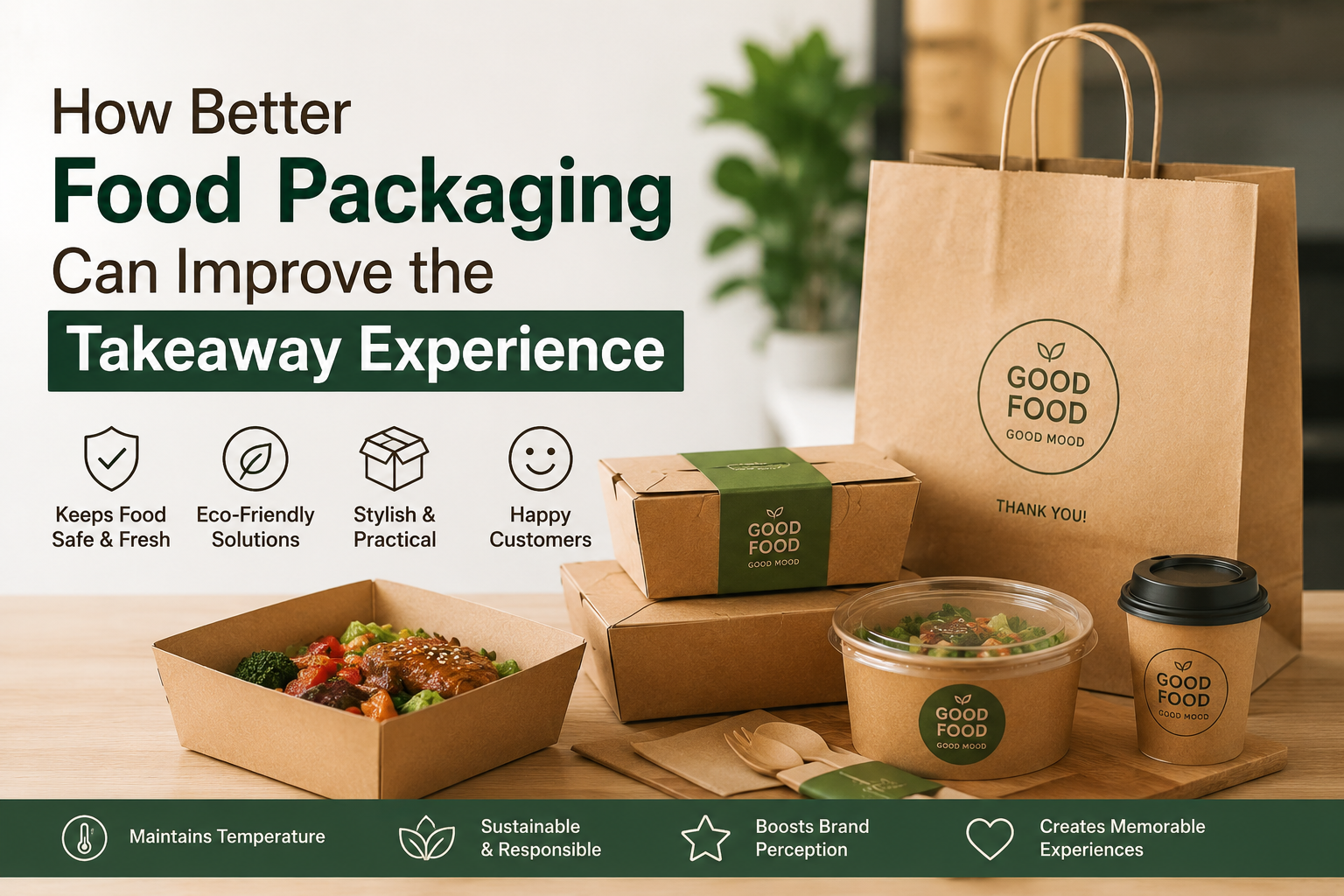
How Better Food Packaging Can Improve the Takeaway Experience
There is a moment right before you open a takeaway box when you decide, without even tasting anything, whether the meal is going to be good. Perhaps the box arrived warm and intact, creating a positive first impression. A leaking sauce can quickly change that impression, while soggy fries may suggest that steam had nowhere to escape. Long before the first bite, packaging has already shaped the experience.
Food lovers talk a lot about flavor, plating, and technique, but the container a meal travels in plays a quiet, often overlooked role in how that meal is actually enjoyed. Whether it's a homemade dish packed for a picnic, a bakery order picked up on the way home, or a full dinner ordered through a delivery app, the box or wrapper is part of the meal's journey from kitchen to table.
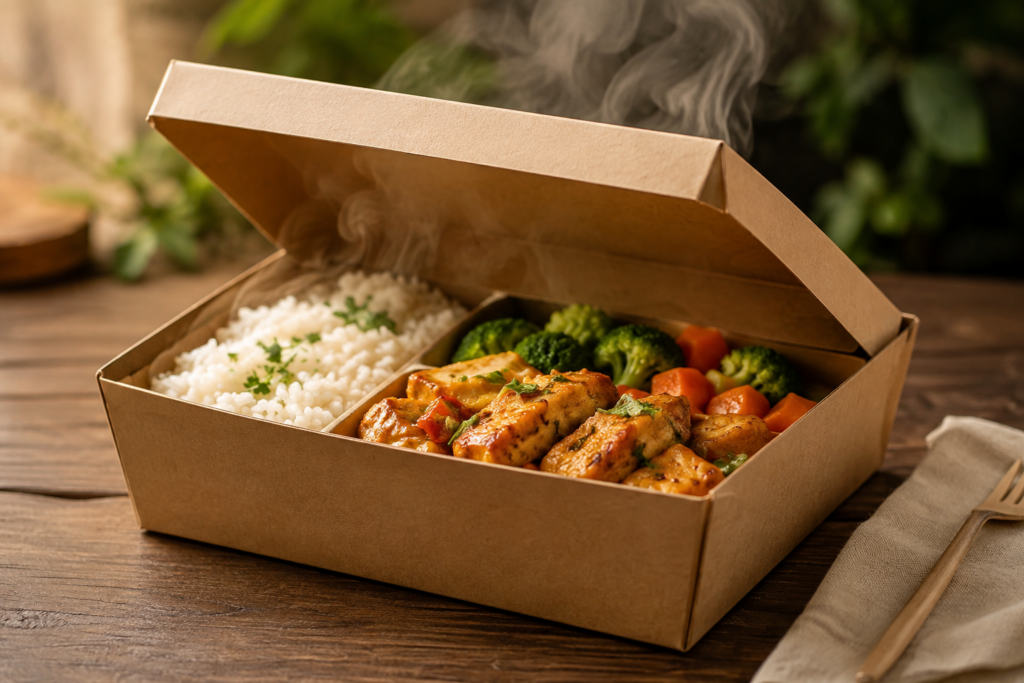
Why Food Packaging Matters Beyond Appearance
It's easy to think of packaging as something purely visual, a box that looks nice on Instagram. But its job goes much deeper than that. Good food packaging protects the meal physically, keeps it hygienic during handling, helps maintain temperature and texture, and makes it easier for both the kitchen staff and the customer to manage.
Think about a stack of dumplings or a slice of cheesecake. If the container is too loose, the food slides around and loses its shape. If it's too tight, condensation builds up and the texture suffers. The right packaging finds a balance between structure and breathability, so the food arrives close to how it looked when it left the kitchen.
Hygiene matters just as much. A properly sealed box reduces the risk of contamination during transport, especially when food passes through multiple hands before reaching the customer, from the kitchen to the delivery rider to the doorstep.
How Packaging Helps Keep Food Fresh
Freshness is often the first thing people notice when they open a takeaway order. A cold burger, a limp salad, or condensation-soaked bread can undo even the best cooking. Packaging plays a direct role in preventing these problems.
Materials with the right insulation properties help retain heat for hot dishes like soups, curries, or grilled meats. On the other hand, foods that release steam, such as fried items, need some ventilation so they don't turn soft and greasy by the time they're eaten. This is why so many boxes designed for fries or fried chicken have small vents or perforations built into the lid.
Moisture control matters too. Sauces and dressings are often packed separately to stop bread, rice, or crispy coatings from becoming soggy during transit. It's a small detail, but it makes a noticeable difference in how a meal tastes when it finally reaches the table.
Choosing the Right Food Box for Different Meals
Not every dish needs the same kind of packaging. A sandwich shop and a dessert café are solving very different problems when it comes to keeping their food intact.
- Burgers need firm-sided boxes that hold their shape without crushing the bun or letting toppings slide out.
- Sandwiches benefit from lighter wraps or shallow boxes that keep bread from getting squashed.
- Bakery items like croissants or muffins do best in boxes with enough headroom so delicate tops don't stick to the lid.
- Desserts, especially anything creamy or layered, need rigid bases and secure lids to avoid shifting during transport.
- Snacks such as fries or wings often need ventilated packaging to stay crisp.
- Prepared meals with rice, curries, or sauces call for leak-resistant compartments or separate containers.
- Multi-course takeaway dishes may need stackable boxes so an entire order can be carried in one hand.
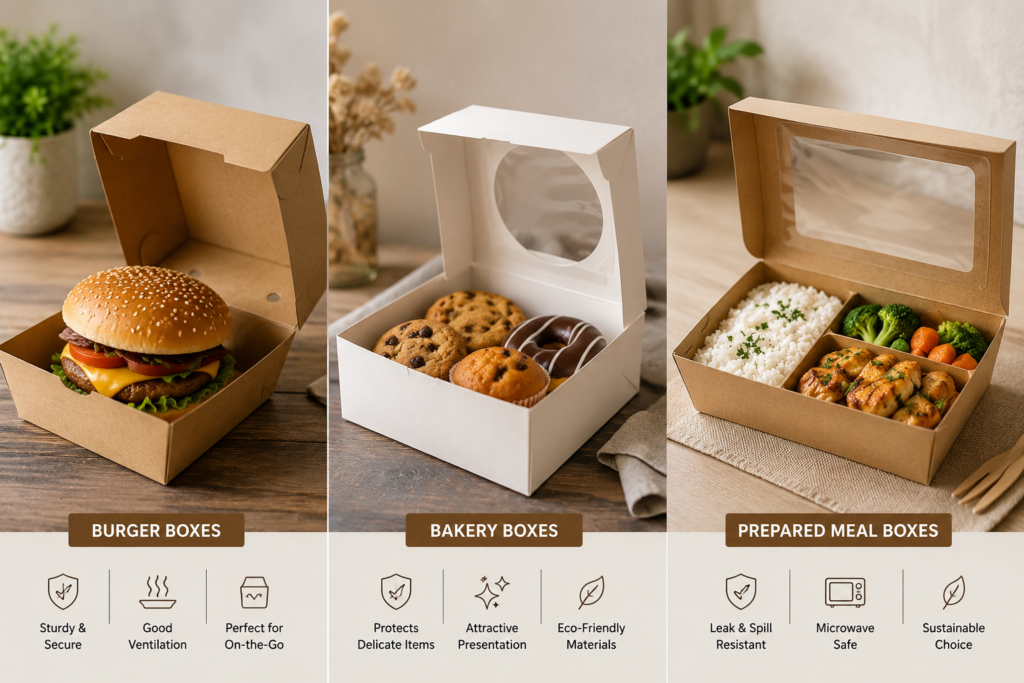
Matching the box to the meal isn't just about looks. It directly affects how the food holds up between the kitchen and the customer's table.
How Custom Food Boxes Improve Presentation
Presentation still matters, even for something as simple as a takeaway lunch. The way a box is shaped, sized, and finished can influence how a customer perceives the food inside before they've even opened it.
A well-fitted box with clean printing feels intentional, like the restaurant put thought into every part of the order, not just the cooking. This is where many restaurants, bakeries, and cafés start paying closer attention to their packaging choices, looking into options such as custom food boxes that are sized and structured to suit their specific menu items rather than relying on generic, one-size-fits-all containers.
Custom sizing reduces wasted space inside the box, which in turn helps keep food from shifting around during delivery. Printed branding, when done well, doesn't need to be loud or flashy. A simple logo, a consistent color scheme, or a short tagline can be enough to make an order feel more polished and recognizable, especially for repeat customers who start associating that packaging with a specific place.
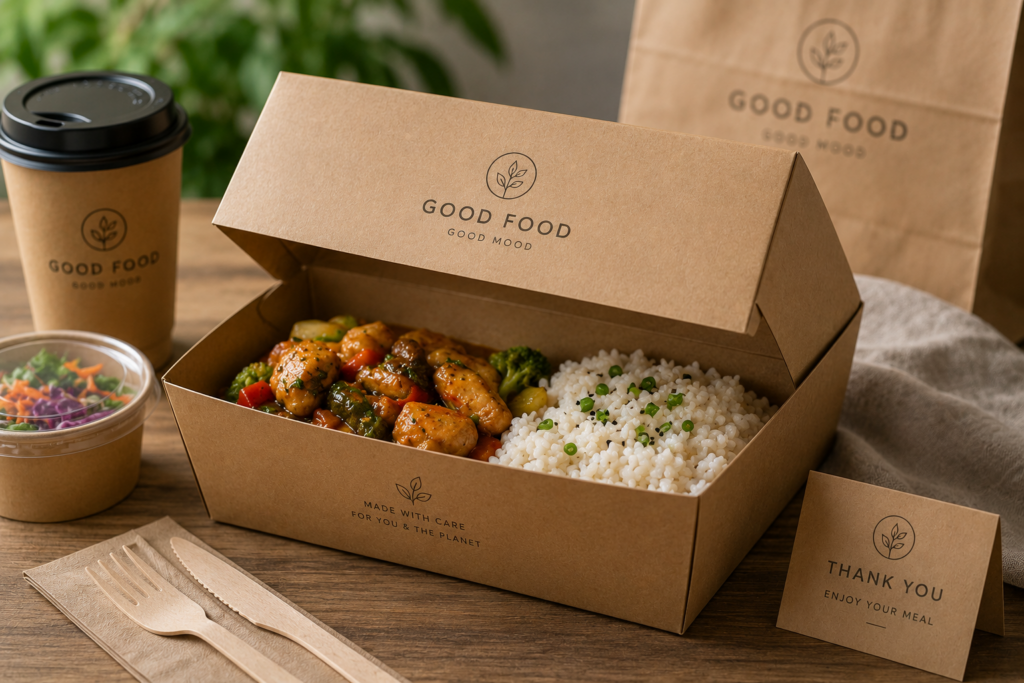
The Role of Sustainable Food Packaging
Sustainability has become a bigger part of the conversation around takeaway and delivery food, and for good reason. Packaging waste adds up quickly, especially for businesses that handle a high volume of orders every day.
Many restaurants and food businesses are shifting toward recyclable or reusable materials, kraft paper, and paperboard options that break down more easily than certain plastics. These materials are often chosen not only for their environmental profile but also because they tend to work well with food, offering a sturdy, breathable surface that suits a wide range of dishes.
It's worth being realistic here. Not every sustainable material is equally effective for every type of food, and some options involve trade-offs between durability, cost, and eco-friendliness. A soup container, for instance, still needs a certain level of moisture resistance regardless of the material used. The goal isn't to chase a trend, but to find packaging that balances practicality with a lower environmental footprint.
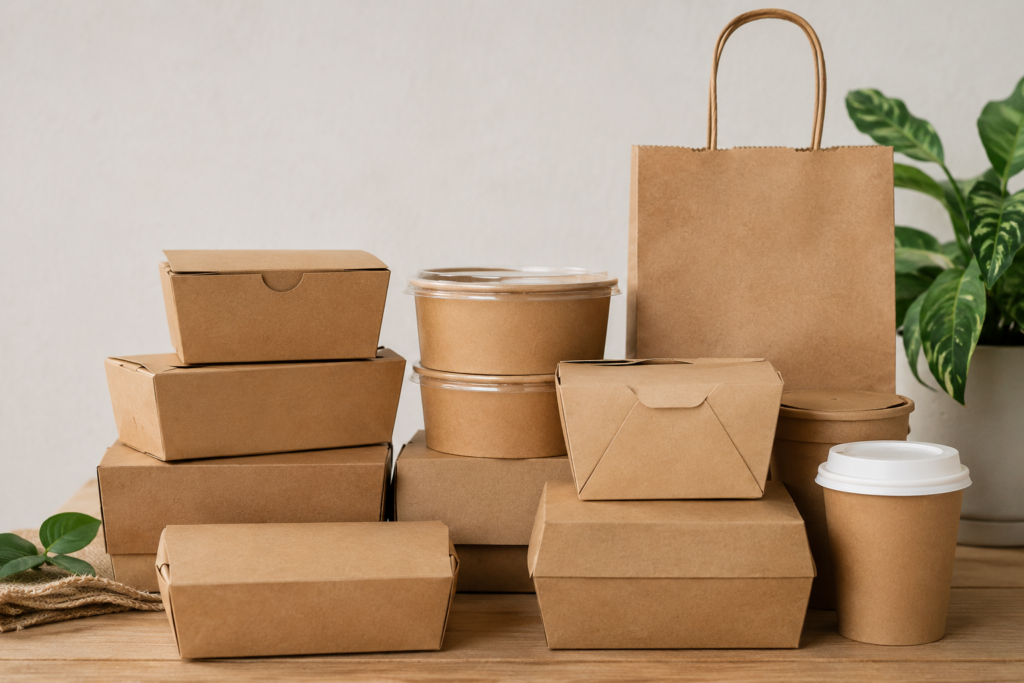
Food Delivery Packaging Should Balance Protection and Convenience
Delivery introduces its own set of challenges that dine-in or pickup orders don't usually face. A box might sit in a delivery bag for twenty minutes, get jostled on a scooter, or be carried up several flights of stairs. Good packaging needs to hold up through all of that without compromising the food.
A few practical considerations matter most here:
- Secure closure, so lids don't pop open mid-transit
- Leak resistance, particularly for soups, sauces, and marinated dishes
- Appropriate sizing, avoiding boxes that are too large and allow food to slide around
- Ventilation where relevant, especially for fried or steamed items
- Easy carrying, with handles or stackable shapes for multi-item orders
- Stability during transportation, so the box doesn't tip or crush inside a delivery bag
None of these details are particularly glamorous, but together they determine whether a meal arrives looking like it did when it left the kitchen.
Packaging Can Become Part of the Food Experience
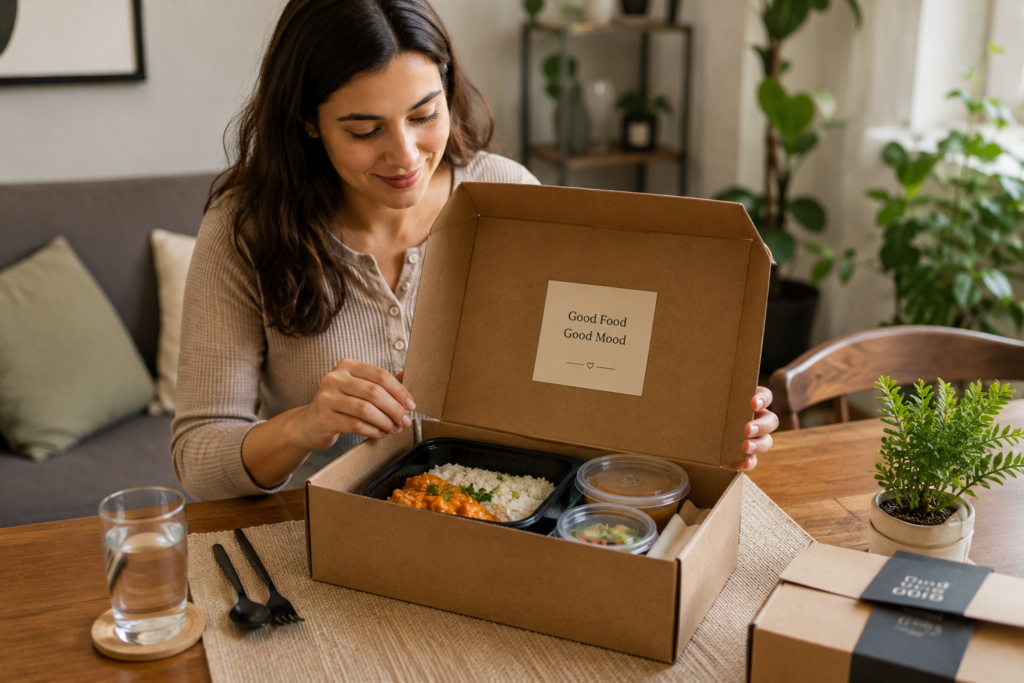
There's a reason certain restaurants and cafés become known for how their food looks the moment it's unboxed. Thoughtful packaging can turn a routine takeaway order into something that feels a little more considered, almost like part of the meal itself.
This isn't only about aesthetics. When packaging protects food properly, keeps portions intact, and makes eating on the go more convenient, customers notice, even if they can't always explain why an order felt better than usual. Over time, this can contribute to repeat business, as people begin to associate a certain level of care with a particular restaurant or delivery service.
Simple Tips for Choosing Better Food Packaging
For restaurants, bakeries, cafés, and home cooks preparing food for events or sale, a few practical guidelines can go a long way:
- Match the box to the food. A container built for salads won't necessarily work for hot soups.
- Consider portion size. Oversized boxes let food shift around, while undersized ones can crush delicate items.
- Choose suitable materials. Think about grease resistance, insulation, and moisture control based on the dish.
- Prioritize food safety. Packaging should keep food sealed and protected from contamination during handling.
- Account for transport conditions. A meal that travels ten minutes by foot has different needs than one delivered across town.
- Avoid unnecessarily oversized packaging. Beyond wasting material, it can make food less stable in transit.
- Think about presentation and branding. Even small, consistent details can make an order feel more professional.
These aren't complicated rules, but they're easy to overlook when the focus is entirely on the cooking itself.
Conclusion
Great food deserves packaging that respects the effort put into making it. A well-chosen box does more than hold a meal together, it protects freshness, supports safe handling, and gives the food a fair chance to arrive looking and tasting the way it should. For restaurants, bakeries, and home cooks alike, paying a little more attention to packaging can make the difference between a forgettable takeaway order and one that customers genuinely look forward to. Good food packaging, in the end, is simply an extension of good cooking, protecting the meal while making the whole takeaway experience easier, cleaner, and more enjoyable.